


Portal:Theatre

The Theatre Portal

Theatre or theater is a collaborative form of performing art that uses live performers, usually actors, to present experiences of a real or imagined event before a live audience in a specific place, often a stage. The performers may communicate this experience to the audience through combinations of gesture, speech, song, music, and dance.
Modern Western theatre comes, in large measure, from the theatre of ancient Greece, from which it borrows technical terminology, classification into genres, and many of its themes, stock characters, and plot elements. Theatre artist Patrice Pavis defines theatricality, theatrical language, stage writing and the specificity of theatre as synonymous expressions that differentiate theatre from the other performing arts, literature and the arts in general. (Full article...)
Featured article

Featured pictures
-
 Prologue of The Tales of Hoffmann, by Pierre-Auguste Lamy (restored by Adam Cuerden) (from Wikipedia:Featured pictures/Culture, entertainment, and lifestyle/Theatre)
 -
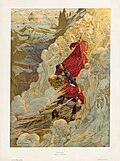 Illustration for the première of Fervaal, by Carlos Schwabe (restored by Adam Cuerden) (from Wikipedia:Featured pictures/Culture, entertainment, and lifestyle/Theatre)
 -
 Engaged poster, by H.A. Thomas Lith. Studio (restored by Adam Cuerden) (from Wikipedia:Featured pictures/Culture, entertainment, and lifestyle/Theatre)
 -
 Arizona poster, by the U.S. Lithograph Co (edited by Jujutacular) (from Wikipedia:Featured pictures/Culture, entertainment, and lifestyle/Theatre)
 -
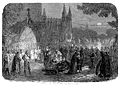 King John, author unknown (edited by Adam Cuerden) (from Wikipedia:Featured pictures/Culture, entertainment, and lifestyle/Theatre)
 -
 Roma poster, by Georges Rochegrosse (restored by Adam Cuerden) (from Wikipedia:Featured pictures/Culture, entertainment, and lifestyle/Theatre)
 -
 Scene of Don Carlos, by Carlo Cornaglia and Giuseppe Barberis (restored by Adam Cuerden) (from Wikipedia:Featured pictures/Culture, entertainment, and lifestyle/Theatre)
 -
 El Capitan, by Metropolitan Job Print (edited by Adam Cuerden) (from Wikipedia:Featured pictures/Culture, entertainment, and lifestyle/Theatre)
 -
 Vocal score cover of Les Troyens á Carthage at Les Troyens, by Antoine Barbizet (restored by Adam Cuerden) (from Wikipedia:Featured pictures/Culture, entertainment, and lifestyle/Theatre)
 -
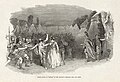 Last scene of Attila, author unknown (restored by Adam Cuerden) (from Wikipedia:Featured pictures/Culture, entertainment, and lifestyle/Theatre)
 -
 Set design for Act 5 of La reine de Chypre, by Charles-Antoine Cambon (restored by Adam Cuerden) (from Wikipedia:Featured pictures/Culture, entertainment, and lifestyle/Theatre)
 -
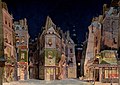 Set design for Act 2 of La bohème, by Adolfo Hohenstein (restored by Adam Cuerden) (from Wikipedia:Featured pictures/Culture, entertainment, and lifestyle/Theatre)
 -
 A lithograph for "William H. West's Big Minstrel Jubilee" from 1900, showing the blackface transformation of Billy B. Van (from Portal:Theatre/Additional featured pictures)
 -
 His Majesty poster, by Dudley Hardy (restored by Adam Cuerden) (from Wikipedia:Featured pictures/Culture, entertainment, and lifestyle/Theatre)
 -
 Set design for Act 1 of A basso porto, by Riccardo Salvadori (from Wikipedia:Featured pictures/Culture, entertainment, and lifestyle/Theatre)
 -
 Set design for Act II of Marino Faliero, by Luigi Verardi after Dominico Ferri (restored by Adam Cuerden) (from Wikipedia:Featured pictures/Culture, entertainment, and lifestyle/Theatre)
 -
 Mary Pickford, by Moody (restored by Trialsanderrors and Yann) (from Portal:Theatre/Additional featured pictures)
 -
 A Sensation Novel poster, by Robert Jacob Hamerton (restored by Adam Cuerden) (from Wikipedia:Featured pictures/Culture, entertainment, and lifestyle/Theatre)
 -
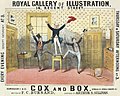 Cox and Box poster, by Alfred Concanen (restored by Adam Cuerden) (from Wikipedia:Featured pictures/Culture, entertainment, and lifestyle/Theatre)
 -
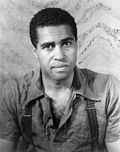 Robert Earl Jones, by Carl Van Vechten (restored by Adam Cuerden) (from Portal:Theatre/Additional featured pictures)
 -
 Priscilla Horton, by Richard James Lane (restored by Adam Cuerden) (from Portal:Theatre/Additional featured pictures)
 -
 Paulette del Baye, by Paul Boyer (restored by Adam Cuerden) (from Portal:Theatre/Additional featured pictures)
 -
 Bégearss from The Guilty Mother, by Émile Bayard (restored by Adam Cuerden) (from Wikipedia:Featured pictures/Culture, entertainment, and lifestyle/Theatre)
 -
 Actors from the première production of The Palace of Truth, by the London Stereoscopic and Photographic Company (restored by Adam Cuerden) (from Wikipedia:Featured pictures/Culture, entertainment, and lifestyle/Theatre)
 -
 Set design for Act I of I puritani, by Luigi Verardi after Dominico Ferri (restored by Adam Cuerden) (from Wikipedia:Featured pictures/Culture, entertainment, and lifestyle/Theatre)
 -
 Vocal score cover of Ariadne auf Naxos, author unknown (restored by Adam Cuerden) (from Wikipedia:Featured pictures/Culture, entertainment, and lifestyle/Theatre)
 -
 Set design for Act I of La Juive, by Eugène Cicéri and Philippe Benoist (restored by Adam Cuerden) (from Wikipedia:Featured pictures/Culture, entertainment, and lifestyle/Theatre)
 -
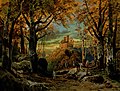 Set design for Act 3 of Tannhäuser, by Max Brückner and Gotthold Brückner (restored by Adam Cuerden) (from Wikipedia:Featured pictures/Culture, entertainment, and lifestyle/Theatre)
 -
 Iolanthe poster, by H. M. Brock (restored by Adam Cuerden) (from Wikipedia:Featured pictures/Culture, entertainment, and lifestyle/Theatre)
 -
 Souvenir programme cover of Princess Ida, by Alice Havers (restored by Adam Cuerden) (from Wikipedia:Featured pictures/Culture, entertainment, and lifestyle/Theatre)
 -
 The Taming of the Shrew, by C. R. Leslie (edited by Adam Cuerden) (from Wikipedia:Featured pictures/Culture, entertainment, and lifestyle/Theatre)
 -
 A Midsummer Night's Dream, by Henry Fuseli/J. P. Simon (edited by Durova) (from Wikipedia:Featured pictures/Culture, entertainment, and lifestyle/Theatre)
 -

-
 Gillette de Narbonne poster, by Paul Maurou (restored by Adam Cuerden) (from Wikipedia:Featured pictures/Culture, entertainment, and lifestyle/Theatre)
 -
 Pénélope poster, by Georges Rochegrosse (restored by Adam Cuerden) (from Wikipedia:Featured pictures/Culture, entertainment, and lifestyle/Theatre)
 -
 French stage actress Sarah Bernhardt as Hamlet in 1899 (photo by Lafayette Photo, London) (from Portal:Theatre/Additional featured pictures)
 -
 Gilbert and Sullivan with Richard D'Oyly Carte, in a sketch by Alfred Bryan for The Entr'acte (from Portal:Theatre/Additional featured pictures)
 -
 Vocal score title page of Béatrice et Bénédict, by Antoine Barbizet (restored by Adam Cuerden) (from Wikipedia:Featured pictures/Culture, entertainment, and lifestyle/Theatre)
 -
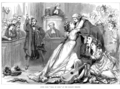 An engraving by D. H. Friston of Gilbert and Sullivan's Trial by Jury (from Portal:Theatre/Additional featured pictures)
 -
 Caricature of Gioachino Rossini, by Paul Delaroche (restored by Adam Cuerden) (from Wikipedia:Featured pictures/Culture, entertainment, and lifestyle/Theatre)
 -
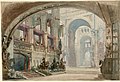 Set design for Act 3 of Robert Bruce, by Charles-Antoine Cambon (restored by Adam Cuerden) (from Wikipedia:Featured pictures/Culture, entertainment, and lifestyle/Theatre)
 -
 Cavalleria rusticana – Turiddu bites Alfio's ear, author unknown (restored by Adam Cuerden) (from Wikipedia:Featured pictures/Culture, entertainment, and lifestyle/Theatre)
 -
 Ghost scene of Ruddigore, by H. M. Brock (restored by Adam Cuerden and Colin) (from Wikipedia:Featured pictures/Culture, entertainment, and lifestyle/Theatre)
 -
 La Navarraise poster, by Reutlinger family photographer (restored by Adam Cuerden) (from Wikipedia:Featured pictures/Culture, entertainment, and lifestyle/Theatre)
 -
 John Shea, by Michael Calas (from Portal:Theatre/Additional featured pictures)
 -
 The Sorcerer poster, by H. M. Brock (restored by Adam Cuerden) (from Wikipedia:Featured pictures/Culture, entertainment, and lifestyle/Theatre)
 -

-
 Jean Cocteau, by the Agence Meurisse (restored by JLPC) (from Portal:Theatre/Additional featured pictures)
 -
 Final scene of Götterdämmerung, by Max Brückner and Otto Henning (restored by Adam Cuerden) (from Wikipedia:Featured pictures/Culture, entertainment, and lifestyle/Theatre)
 -
 Costume designs for William Tell, by Eugène Du Faget (restored by Adam Cuerden) (from Wikipedia:Featured pictures/Culture, entertainment, and lifestyle/Theatre)
 -
 Scene from The Happy Land, by David Henry Friston (edited by Adam Cuerden) (from Wikipedia:Featured pictures/Culture, entertainment, and lifestyle/Theatre)
 -
 Set design for Otello, by Marcel Jambon (from Wikipedia:Featured pictures/Culture, entertainment, and lifestyle/Theatre)
 -
 Set design for Act 3 of Edgar, by Giuseppe Palanti (from Wikipedia:Featured pictures/Culture, entertainment, and lifestyle/Theatre)
 -
 Chandos portrait of William Shakespeare (attributed to John Taylor) (from Portal:Theatre/Additional featured pictures)
 -
 Advertisement for the music score of La bohème, by Adolfo Hohenstein (restored by Adam Cuerden) (from Wikipedia:Featured pictures/Culture, entertainment, and lifestyle/Theatre)
 -
 Le roi d'Ys poster, by Auguste François-Marie Gorguet (restored by Adam Cuerden) (from Wikipedia:Featured pictures/Culture, entertainment, and lifestyle/Theatre)
 -
 Utopia, Limited, by Strobridge & Co. Lith. (edited by Adam Cuerden) (from Wikipedia:Featured pictures/Culture, entertainment, and lifestyle/Theatre)
 -
 Set design for Act 4 of Aida, by Philippe Chaperon (restored by Adam Cuerden) (from Wikipedia:Featured pictures/Culture, entertainment, and lifestyle/Theatre)
 -
 Publicity photo for The Sound of Music, by Toni Frissell (restored by Adam Cuerden) (from Wikipedia:Featured pictures/Culture, entertainment, and lifestyle/Theatre)
 -
 The High Rollers Extravaganza Co. at Burlesque, by Courier Company (from Wikipedia:Featured pictures/Culture, entertainment, and lifestyle/Theatre)
 -
 Donald Pleasence, by Allan Warren (edited by Christoph Braun) (from Portal:Theatre/Additional featured pictures)
 -
 Cendrillon poster, by Émile Bertrand (restored by Adam Cuerden) (from Wikipedia:Featured pictures/Culture, entertainment, and lifestyle/Theatre)
 -
 Costume design for Princess Ida, by William Charles John Pitcher (restored by Adam Cuerden) (from Wikipedia:Featured pictures/Culture, entertainment, and lifestyle/Theatre)
 -
 Actors from the revival of The Colonel, by the London Stereoscopic Company (restored by Adam Cuerden) (from Wikipedia:Featured pictures/Culture, entertainment, and lifestyle/Theatre)
 -
 Press illustration of Act 2 of Les Huguenots, by Célestin Deshayes (restored by Adam Cuerden) (from Wikipedia:Featured pictures/Culture, entertainment, and lifestyle/Theatre)
 -
 Costume design for La Wally, by Adolfo Hohenstein (restored by Adam Cuerden) (from Wikipedia:Featured pictures/Culture, entertainment, and lifestyle/Theatre)
 -
 Olympia act of The Tales of Hoffmann, by Pierre-Auguste Lamy (restored by Adam Cuerden) (from Wikipedia:Featured pictures/Culture, entertainment, and lifestyle/Theatre)
 -

-
 Big White Fog poster, by the Works Progress Administration (edited by Jujutacular) (from Wikipedia:Featured pictures/Culture, entertainment, and lifestyle/Theatre)
 -
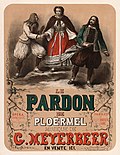 Le pardon de Ploërmel poster, by Henri Télory (restored by Adam Cuerden) (from Wikipedia:Featured pictures/Culture, entertainment, and lifestyle/Theatre)
 -
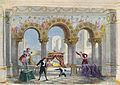 Giulietta act of The Tales of Hoffmann, by Pierre-Auguste Lamy (restored by Adam Cuerden) (from Wikipedia:Featured pictures/Culture, entertainment, and lifestyle/Theatre)
 -
 Macbeth, by W.J. Morgan & Co (edited by Adam Cuerden) (from Wikipedia:Featured pictures/Culture, entertainment, and lifestyle/Theatre)
 -
 La forza del destino poster, by Charles Lecocq (restored by Adam Cuerden) (from Wikipedia:Featured pictures/Culture, entertainment, and lifestyle/Theatre)
 -
 Queen Amahelli in Bacchus, by Paul Nadar (restored by Adam Cuerden) (from Wikipedia:Featured pictures/Culture, entertainment, and lifestyle/Theatre)
 -
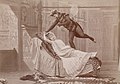 Fly duet from Orpheus in the Underworld, by Atelier Nadar (restored by Adam Cuerden) (from Wikipedia:Featured pictures/Culture, entertainment, and lifestyle/Theatre)
 -

-
 Richard III, by W.J. Morgan & Co. (edited by Adam Cuerden) (from Wikipedia:Featured pictures/Culture, entertainment, and lifestyle/Theatre)
 -
 Robert, Duke of Normandy at Robert le diable, by Gustave Courbet (edited by Crisco 1492) (from Wikipedia:Featured pictures/Culture, entertainment, and lifestyle/Theatre)
 -
 L'enfant et les sortilèges, 2nd scene, author unknown (restored by Adam Cuerden) (from Wikipedia:Featured pictures/Culture, entertainment, and lifestyle/Theatre)
 -
 Set design for Ballet of the Nuns, by Pierre-Luc-Charles Cicéri, Eugène Cicéri, Philippe Benoist and Adolphe Jean-Baptiste Bayot (restored by Adam Cuerden) (from Wikipedia:Featured pictures/Culture, entertainment, and lifestyle/Theatre)
 -
 Werther poster, by Eugène Grasset (restored by Adam Cuerden) (from Wikipedia:Featured pictures/Culture, entertainment, and lifestyle/Theatre)
 -
 Don César de Bazan poster, by Célestin Nanteuil (restored by Adam Cuerden) (from Wikipedia:Featured pictures/Culture, entertainment, and lifestyle/Theatre)
 -
 Simon Boccanegra cover, author unknown (restored by Adam Cuerden) (from Wikipedia:Featured pictures/Culture, entertainment, and lifestyle/Theatre)
 -
 Maritana, author unknown (edited by Adam Cuerden) (from Wikipedia:Featured pictures/Culture, entertainment, and lifestyle/Theatre)
 -
 Costume designs for Les Huguenots, by Eugène Du Faget (restored by Adam Cuerden) (from Wikipedia:Featured pictures/Culture, entertainment, and lifestyle/Theatre)
 -
 Vocal score cover of The Mikado, author unknown (from Wikipedia:Featured pictures/Culture, entertainment, and lifestyle/Theatre)
 -
 Vocal score cover of La Prise de Troie at Les Troyens, by Antoine Barbizet (restored by Adam Cuerden) (from Wikipedia:Featured pictures/Culture, entertainment, and lifestyle/Theatre)
 -
 Aida performed by the Israeli Opera, by Avinoam Michaeli (from Wikipedia:Featured pictures/Culture, entertainment, and lifestyle/Theatre)
 -
 Scene from Lohengrin, by Arthur Thiele (edited by Adam Cuerden) (from Wikipedia:Featured pictures/Culture, entertainment, and lifestyle/Theatre)
 -
 Le Juif Polonais poster, by Henri C. R. Presseq (restored by Adam Cuerden) (from Wikipedia:Featured pictures/Culture, entertainment, and lifestyle/Theatre)
 -
 Vocal score cover of La traviata, by Leopoldo Ratti (restored by Adam Cuerden) (from Wikipedia:Featured pictures/Culture, entertainment, and lifestyle/Theatre)
 -
 The Contrabandista poster, by Robert Jacob Hamerton (restored by Adam Cuerden) (from Wikipedia:Featured pictures/Culture, entertainment, and lifestyle/Theatre)
 -
 The Chicago Theatre, a former cinema restored as a live performance venue (photo by Daniel Schwen) (from Portal:Theatre/Additional featured pictures)
 -
 Sapho poster, by Jean de Paleologu (restored by Adam Cuerden) (from Wikipedia:Featured pictures/Culture, entertainment, and lifestyle/Theatre)
 -
 Burlesque, by H.C. Miner Litho. Co. (edited by Durova) (from Wikipedia:Featured pictures/Culture, entertainment, and lifestyle/Theatre)
 -

-
 The Duchess of Dantzic poster, by Percy Anderson (restored by Adam Cuerden) (from Wikipedia:Featured pictures/Culture, entertainment, and lifestyle/Theatre)
 -

-
 Scene V of Nina, by Jean-François Janinet (restored by Adam Cuerden) (from Wikipedia:Featured pictures/Culture, entertainment, and lifestyle/Theatre)
 -
 Verdi conducting Aida, by Adrien Marie (restored by Adam Cuerden) (from Wikipedia:Featured pictures/Culture, entertainment, and lifestyle/Theatre)
 -
 Cover of piano transcriptions of Iolanthe, by George H. Walker & Co. (restored by Adam Cuerden) (from Wikipedia:Featured pictures/Culture, entertainment, and lifestyle/Theatre)
 -
 The Geisha poster, by David Allen and Sons (restored by Adam Cuerden) (from Wikipedia:Featured pictures/Culture, entertainment, and lifestyle/Theatre)
 -
 The Lucky Star poster, by Dudley Hardy (restored by Adam Cuerden) (from Wikipedia:Featured pictures/Culture, entertainment, and lifestyle/Theatre)
 -
 The Tempest, by George Romney/Benjamin Smith (edited by Adam Cuerden) (from Wikipedia:Featured pictures/Culture, entertainment, and lifestyle/Theatre)
 -
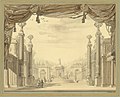 Set design for Act 3 of Alceste, by François-Joseph Bélanger (restored by Adam Cuerden) (from Wikipedia:Featured pictures/Culture, entertainment, and lifestyle/Theatre)
 -
 Vocal score cover of Les Troyens, by Antoine Barbizet (restored by Adam Cuerden) (from Wikipedia:Featured pictures/Culture, entertainment, and lifestyle/Theatre)
 -
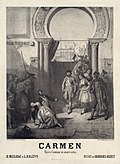 Carmen poster, by Prudent-Louis Leray (restored by Adam Cuerden) (from Wikipedia:Featured pictures/Culture, entertainment, and lifestyle/Theatre)
 -
 Set design for Dimitri, by Philippe Chaperon (restored by Adam Cuerden) (from Wikipedia:Featured pictures/Culture, entertainment, and lifestyle/Theatre)
 -
Trial by Jury, by D.H. Friston (edited by Adam Cuerden) (from Wikipedia:Featured pictures/Culture, entertainment, and lifestyle/Theatre)
-
 The Fortune Teller poster, by the U.S. Lithograph Co. (restored by Adam Cuerden) (from Wikipedia:Featured pictures/Culture, entertainment, and lifestyle/Theatre)
 -
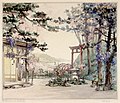 Set design for Act I of Madama Butterfly, by Alexandre Bailly and Marcel Jambon (restored by Adam Cuerden) (from Wikipedia:Featured pictures/Culture, entertainment, and lifestyle/Theatre)
 -
 Set design for Act 2 of Les Burgraves, by Humanité René Philastre and Charles-Antoine Cambon (restored by Adam Cuerden) (from Wikipedia:Featured pictures/Culture, entertainment, and lifestyle/Theatre)
 -
 La Dame aux Camélias poster, by Alphonse Mucha (restored by Adam Cuerden) (from Wikipedia:Featured pictures/Culture, entertainment, and lifestyle/Theatre)
 -
 Sherlock Holmes poster, by the Metropolitan Printing Co. (edited by Nagualdesign) (from Wikipedia:Featured pictures/Culture, entertainment, and lifestyle/Theatre)
 -
 Vocal score frontispiece of Un ballo in maschera, by Roberto Focosi and Francesco Corbetta (restored by Adam Cuerden) (from Wikipedia:Featured pictures/Culture, entertainment, and lifestyle/Theatre)
 -
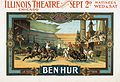 Ben-Hur poster, by Strobridge & Co. Lith. (restored by Adam Cuerden) (from Wikipedia:Featured pictures/Culture, entertainment, and lifestyle/Theatre)
 -
 Falka poster, by David Allen & Sons (restored by Adam Cuerden) (from Wikipedia:Featured pictures/Culture, entertainment, and lifestyle/Theatre)
 -
 Cavalleria rusticana – Santuzza pleads with Turiddu, author unknown (restored by Adam Cuerden) (from Wikipedia:Featured pictures/Culture, entertainment, and lifestyle/Theatre)
 -
 Gismonda poster, by Georges Rochegrosse (restored by Adam Cuerden) (from Wikipedia:Featured pictures/Culture, entertainment, and lifestyle/Theatre)
 -
 Ivor Novello, by the Bain News Service (restored by Adam Cuerden) (from Portal:Theatre/Additional featured pictures)
 -
 Vocal score cover of Médée, by Giuseppe Palanti (restored by Adam Cuerden) (from Wikipedia:Featured pictures/Culture, entertainment, and lifestyle/Theatre)
 -
 Set design for Act 3 of La Esmeralda, by Charles-Antoine Cambon (restored by Adam Cuerden) (from Wikipedia:Featured pictures/Culture, entertainment, and lifestyle/Theatre)
 -
-
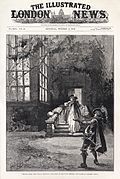 A scene from Haddon Hall, by M. Browne and Herbert Railton (restored by Adam Cuerden) (from Wikipedia:Featured pictures/Culture, entertainment, and lifestyle/Theatre)
 -
 The Ballet at Cid's Camp at Le Cid (opera), by Auguste Tilly (edited by Adam Cuerden) (from Wikipedia:Featured pictures/Culture, entertainment, and lifestyle/Theatre)
 -
 The death of Gormas at Le Cid (opera), by Auguste Tilly (edited by Adam Cuerden) (from Wikipedia:Featured pictures/Culture, entertainment, and lifestyle/Theatre)
 -
 Thérèse poster, author unknown (restored by Adam Cuerden) (from Wikipedia:Featured pictures/Culture, entertainment, and lifestyle/Theatre)
 -
 George IV greeting Gioachino Rossini, by Charles Motte (restored by Adam Cuerden) (from Wikipedia:Featured pictures/Culture, entertainment, and lifestyle/Theatre)
 -
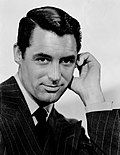 Cary Grant, by RKO Pictures publicity photographer (edited by Crisco 1492) (from Portal:Theatre/Additional featured pictures)
 -
 Roger at Jérusalem, author unknown (restored by Adam Cuerden) (from Wikipedia:Featured pictures/Culture, entertainment, and lifestyle/Theatre)
 -
 Aida poster, by The Otis Lithograph Co (edited by Adam Cuerden/Kaldari) (from Wikipedia:Featured pictures/Culture, entertainment, and lifestyle/Theatre)
 -
 2016 production of Falstaff, by Christian Michelides (from Wikipedia:Featured pictures/Culture, entertainment, and lifestyle/Theatre)
 -
 Scene from The Princess by David Henry Friston (edited by Adam Cuerden) (from Wikipedia:Featured pictures/Culture, entertainment, and lifestyle/Theatre)
 -
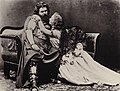 Tristan und Isolde, by Joseph Albert (edited by Adam Cuerden) (from Wikipedia:Featured pictures/Culture, entertainment, and lifestyle/Theatre)
 -
 Fatinitza poster, by Vic Arnold (restored by Adam Cuerden) (from Wikipedia:Featured pictures/Culture, entertainment, and lifestyle/Theatre)
 -
 Set design for Gustave III, by Pierre-Luc-Charles Cicéri (restored by Adam Cuerden) (from Wikipedia:Featured pictures/Culture, entertainment, and lifestyle/Theatre)
 -

-
 Title page of I Lombardi alla prima crociata, author unknown (restored by Adam Cuerden) (from Wikipedia:Featured pictures/Culture, entertainment, and lifestyle/Theatre)
 -
 Ira Aldridge, by William Paine of Islington (edited by Adam Cuerden) (from Wikipedia:Featured pictures/Culture, entertainment, and lifestyle/Theatre)
 -
 Scenes of Ruddygore, by Amédée Forestier (restored by Adam Cuerden) (from Wikipedia:Featured pictures/Culture, entertainment, and lifestyle/Theatre)
 -
 Set design for Act IV of Rigoletto, by Philippe Chaperon (restored by Adam Cuerden) (from Wikipedia:Featured pictures/Culture, entertainment, and lifestyle/Theatre)
 -
 Buffalo Bill, by Moffett, Chicago (from Portal:Theatre/Additional featured pictures)
 -
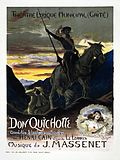 Don Quichotte poster, by Georges Rochegrosse (restored by Adam Cuerden) (from Wikipedia:Featured pictures/Culture, entertainment, and lifestyle/Theatre)
 -
 The Colosseum in Rome, Italy (photo by David Iliff) (from Portal:Theatre/Additional featured pictures)
 -
 Vocal score cover of Robinson Crusoé, by A. Jannin (restored by Adam Cuerden) (from Wikipedia:Featured pictures/Culture, entertainment, and lifestyle/Theatre)
 -
 Vocal score cover of Rigoletto, by Roberto Focosi and Francesco Corbetta (restored by Adam Cuerden) (from Wikipedia:Featured pictures/Culture, entertainment, and lifestyle/Theatre)
 -
 The Magistrate poster, by Clement-Smith & Co. (restored by Adam Cuerden) (from Wikipedia:Featured pictures/Culture, entertainment, and lifestyle/Theatre)
 -
 L'enfant et les sortilèges, 1st scene, author unknown (restored by Adam Cuerden) (from Wikipedia:Featured pictures/Culture, entertainment, and lifestyle/Theatre)
 -
 Othello theatrical poster, by the W.J. Morgan & Co. (from Wikipedia:Featured pictures/Culture, entertainment, and lifestyle/Theatre)
 -
 Final scene of Le comte Ory, by Dubois & chez Martinet (restored by Adam Cuerden) (from Wikipedia:Featured pictures/Culture, entertainment, and lifestyle/Theatre)
 -
 Il trovatore poster, by Luigi Morgari (restored by Adam Cuerden) (from Wikipedia:Featured pictures/Culture, entertainment, and lifestyle/Theatre)
 -
 Ages Ago poster, by Stannard & Son (restored by Adam Cuerden) (from Wikipedia:Featured pictures/Culture, entertainment, and lifestyle/Theatre)
 -
 Ethel Waters, by William P. Gottlieb (restored by Adam Cuerden) (from Portal:Theatre/Additional featured pictures)
 -
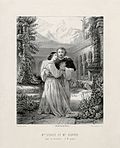 Scene from La favorite, by Émile Desmaisons and François-Gabriel Lépaulle (restored by Adam Cuerden) (from Wikipedia:Featured pictures/Culture, entertainment, and lifestyle/Theatre)
 -
 Pelléas et Mélisande poster, by Georges Rochegrosse (restored by Adam Cuerden) (from Wikipedia:Featured pictures/Culture, entertainment, and lifestyle/Theatre)
 -
 Chorus line, by the Courier Company, Lith. Dpt (edited by Adam Cuerden) (from Wikipedia:Featured pictures/Culture, entertainment, and lifestyle/Theatre)
 -
 Souvenir programme cover of Patience, by the D'Oyly Carte Opera Company (restored by Adam Cuerden) (from Wikipedia:Featured pictures/Culture, entertainment, and lifestyle/Theatre)
 -
 Storm scene of The Barber of Seville, by Alexandre-Évariste Fragonard (restored by Adam Cuerden) (from Wikipedia:Featured pictures/Culture, entertainment, and lifestyle/Theatre)
 -
 A Peculiar Family poster at William Brough (writer), by Robert Jacob Hamerton (restored by Adam Cuerden) (from Wikipedia:Featured pictures/Culture, entertainment, and lifestyle/Theatre)
 -
 Programme for Ubu Roi, by Alfred Jarry (restored by Adam Cuerden) (from Wikipedia:Featured pictures/Culture, entertainment, and lifestyle/Theatre)
 -
 Carmen, by Liebler & Maass Lith. (edited by Adam Cuerden) (from Wikipedia:Featured pictures/Culture, entertainment, and lifestyle/Theatre)
 -
 The Winter's Tale, by John Opie/J.P. Simon (edited by Adam Cuerden) (from Wikipedia:Featured pictures/Culture, entertainment, and lifestyle/Theatre)
 -

-
 Two Geisha conversing near the Golden Temple in Kyoto, Japan (photo by Daniel Bachler) (from Portal:Theatre/Additional featured pictures)
 -
 Ariane poster, by Albert Maignan (restored by Adam Cuerden) (from Wikipedia:Featured pictures/Culture, entertainment, and lifestyle/Theatre)
 -
 Hamlet, by W.J. Morgan & Co. Lith. of Cleveland, Ohio. (edited by Adam Cuerden) (from Wikipedia:Featured pictures/Culture, entertainment, and lifestyle/Theatre)
 -
 Set design for Act II of Haydée, ou Le secret, by Philippe Chaperon (restored by Adam Cuerden) (from Wikipedia:Featured pictures/Culture, entertainment, and lifestyle/Theatre)
 -
 Actress Minnie Maddern Fiske in Love Finds the Way (photo by Zaida Ben-Yusuf, restored by Adam Cuerden) (from Portal:Theatre/Additional featured pictures)
 -
 The Wicked World engraving, by David Henry Friston (edited by Adam Cuerden) (from Wikipedia:Featured pictures/Culture, entertainment, and lifestyle/Theatre)
 -
 Celebrity charity performance of Rosencrantz and Guildenstern, by Ralph Cleaver (restored by Adam Cuerden) (from Wikipedia:Featured pictures/Culture, entertainment, and lifestyle/Theatre)
 -
 Photo of Oscar Wilde by Napoleon Sarony (restored by Lise Broer) (from Portal:Theatre/Additional featured pictures)
 -
 Set design for Act I of Les Huguenots, by Philippe Chaperon (restored by Adam Cuerden) (from Wikipedia:Featured pictures/Culture, entertainment, and lifestyle/Theatre)
 -
 Gaston at Jérusalem, by Alexandre Lacauchie (restored by Adam Cuerden) (from Wikipedia:Featured pictures/Culture, entertainment, and lifestyle/Theatre)
 -
 Lord Babberley crossdressing as the fake Charley's Aunt, by Thomas Charles Turner (restored by Adam Cuerden) (from Wikipedia:Featured pictures/Culture, entertainment, and lifestyle/Theatre)
 -
 Le mage poster, by Alfredo Edel Colorno (restored by Adam Cuerden) (from Wikipedia:Featured pictures/Culture, entertainment, and lifestyle/Theatre)
 -
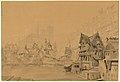 Set design for Act 3 of La Esmeralda, by Charles-Antoine Cambon (restored by Adam Cuerden) (from Wikipedia:Featured pictures/Culture, entertainment, and lifestyle/Theatre)
 -
 Charlton Heston, by Rowland Scherman (edited by Nehrams2020) (from Portal:Theatre/Additional featured pictures)
 -
 Ellen Terry, by Julia Margaret Cameron (edited by Materialscientist) (from Portal:Theatre/Additional featured pictures)
 -
 Polyeucte poster, by Jules Chéret (restored by Adam Cuerden) (from Wikipedia:Featured pictures/Culture, entertainment, and lifestyle/Theatre)
 -
 Title page of Giovanna d'Arco, by Luigi Barinetti (restored by Adam Cuerden) (from Wikipedia:Featured pictures/Culture, entertainment, and lifestyle/Theatre)
 -
 The Rose of Persia poster, by Dudley Hardy (restored by Adam Cuerden) (from Wikipedia:Featured pictures/Culture, entertainment, and lifestyle/Theatre)
 -
 Set design for Act 1 of Aida, by Philippe Chaperon (restored by Adam Cuerden) (from Wikipedia:Featured pictures/Culture, entertainment, and lifestyle/Theatre)
 -
 Vocal score cover of L'Éclair, by Paul Gavarni and the Thierry brothers (restored by Adam Cuerden) (from Wikipedia:Featured pictures/Culture, entertainment, and lifestyle/Theatre)
 -
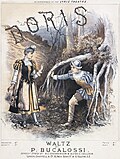 Sheet music cover of Doris, by Nicholas Hanhart (restored by Adam Cuerden) (from Wikipedia:Featured pictures/Culture, entertainment, and lifestyle/Theatre)
_-_Les_contes_d%27Hoffmann_by_Jacques_Offenbach,_prologue.jpg)


_-_Archivio_Storico_Ricordi_ICON000086_-_Restoration.jpg)


_-_Archivio_Storico_Ricordi_ICON002556.jpg)


.jpg)
_as_Ariel.jpg)
.jpg)


_-_Archivio_Storico_Ricordi_ICON011721_-_Restoration,_crop.jpg)


_crop.jpg)

.jpg)


.jpg)


_-_Archivio_Storico_Ricordi_ICON000128_B.jpg)


.jpg)


.jpg)


,_figurino_di_Adolf_Hohenstein_per_La_Wally_(1892)_-_Archivio_Storico_Ricordi_ICON004639_-_Restoration.jpg)
_-_Les_contes_d%27Hoffmann_by_Jacques_Offenbach,_Olympia_act.jpg)


_-_Les_contes_d%27Hoffmann_by_Jacques_Offenbach,_Giulietta_act.jpg)


.jpg)


.jpg)


,_in_the_title_r%C3%B4le_of_Nina_(Scene_V).jpg)


_by_Dudley_Hardy.jpg)


_-_Archivio_Storico_Ricordi_ICON000079_-_Restoration.jpg)


_(edit).jpg)


_01_Crisco_edit.jpg)


.jpg)


.jpg)


.jpg)


.jpg)


In this month

- June 1643 – Molière, considered one of the greatest comedic playwrights in the Western tradition, left his prosperous family and embarked on a theatrical career
- 6 June 1954 - Birth of Harvey Fierstein, a Tony Award winning American actor and playwright
- 10 June 1911 - Birth of Terence Rattigan, a British dramatist whose plays include The Browning Version and The Deep Blue Sea
- 18 June 1979 – Death of Rodolfo Usigli, "the playwright of the Mexican Revolution"
- 20 June 1703 – Premiere of The Love Suicides at Sonezaki by Chikamatsu Monzaemon (pictured), often considered the greatest Japanese dramatist
- 21 June 1737 – Licensing Act of 1737 passed, a landmark act of censorship, which gave the Lord Chamberlain the power to approve plays to be staged in England
- 24 June 1924 – Birth of Efua Sutherland, a foundational figure in modern Ghanaian drama
- 28 June 1867 - Birth of Luigi Pirandello, the Nobel Prize winning Italian writer of Six Characters in Search of an Author and many other plays
Featured biography

Did you know (auto-generated) -

- ... that Shirley Warde not only starred in theater and movie productions, but also wrote playscripts and short stories for magazines?
- ... that the Palace Theater light bulb has been running since 1908?
- ... that in 2023, car manufacturer Rivian acquired the historic Lynn Theatre in Laguna Beach, California, and converted it into its first showroom?
- ... that Kully Thiarai made a theatre in Doncaster a "living room" for the town?
- ... that Ukrainian writer Mykhailo Starytsky financed his own theatre with proceeds from the sale of his rusk factory?
- ... that multiple dancers were arrested at the Capitol Theatre in San Francisco for allegedly not wearing bras during striptease numbers?
Selected quote
.jpg)
Related portals


WikiProjects
- Main project

- Descendant projects
- Sister projects
More did you know

- ...that the BBC recorded live performances of Hancock's Half Hour, The Goon Show and Steptoe and Son at the Playhouse Theatre (pictured) in London?
- ...that in 1661, Lisle's Tennis Court in Lincoln's Inn Fields, London became the first public theatre in England to feature moveable scenery on sliding wings?
- ...that the Cockpit-in-Court theatre in the Palace of Whitehall was used to stage court masques for the Stuart Kings of England, but was originally built by Henry VIII as a venue for cockfighting?
Topics
| History | |||||||||||
|---|---|---|---|---|---|---|---|---|---|---|---|
| Types | |||||||||||
| Regions | |||||||||||
| Stagecraft / Scenography | |||||||||||
| Personnel |
| ||||||||||

Recognized content
Extended content
| ||
|---|---|---|

Featured articles
Featured lists
Good articles
Featured pictures
Featured portalsFeatured topicsGood topics
|


_(52100040162)_(cropped).jpg)
_-_Archivio_Storico_Ricordi_FOTO000794_-_Restoration.jpg)


_by_Nadar.jpg)


_by_Zaida_Ben-Yusuf.jpg)

.jpg)

_-_Archivio_Storico_Ricordi_FOTO002691_-_Restoration.jpg)
.jpg)


_-_Archivio_Storico_Ricordi_FOTO003293_-_Restoration.jpg)


.jpg)


.jpg)


_-_Archivio_storico_Ricordi_FOTO003107_-_Restoration.jpg)


_-_Google_Art_Project_2.jpg)
.jpg)


.jpg)
_digital_restoration.jpg)


_LCCN2014708419_Crop_2.jpg)


_-_Archivio_Storico_Ricordi_FOTO002701_-_Restoration.jpg)


.jpg)


.jpg)


Categories

Things you can do

|
|

A list of articles needing cleanup associated with this project is available. See also the tool's wiki page and the index of WikiProjects.
Associated Wikimedia
The following Wikimedia Foundation sister projects provide more on this subject:
-
 Commons
Free media repository -
 Wikidata
Free knowledge base -
 Wikiquote
Collection of quotations -
 Wikisource
Free-content library -
 Wikiversity
Free learning tools -
 Wiktionary
Dictionary and thesaurus


